
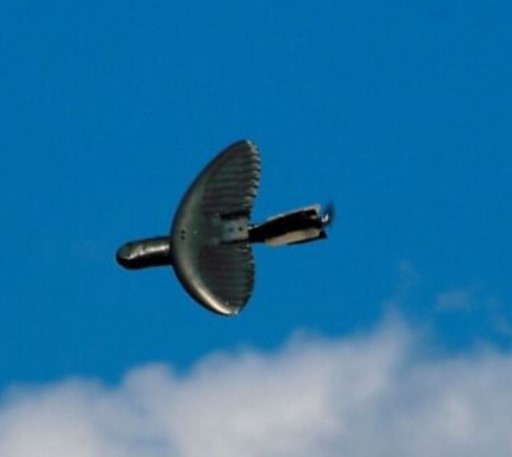
The core technical problem IARPA is trying to solve is straightforward in concept but formidable in execution: build drone engines and motors out of materials that perform reliably during a mission, then break down on their own afterward, leaving little or no physical trace.
Current drone propulsion components — turbine blades, motor housings, combustion chambers, and associated control systems — are made from metal alloys, engineering plastics, and advanced composites. Those materials are durable by design, meaning a lost or downed drone can leave hardware in the field for decades or longer. IARPA wants to know whether biological materials can replace or augment those components in ways that allow the hardware to simply disappear under the right environmental conditions.
Pour en savoir plus : U.S. intelligence agency launches biodegradable drone research
